
Reliable Roofing Services for Your Home
- reviveyourroofutah
- Oct 20, 2025
- 5 min read

When it comes to protecting your home, the roof is one of the most important parts. A strong, well-maintained roof keeps you safe from weather, improves your home's energy efficiency, and adds to its overall value. But finding reliable roofing options can feel overwhelming. I want to share what I’ve learned about choosing the right roofing solutions that last and fit your budget.
Exploring Reliable Roofing Options
Choosing the right roofing option means balancing durability, cost, and style. There are several materials and styles to consider, each with its own benefits. Here are some of the most reliable roofing options you might want to explore:
Asphalt Shingles: These are the most common roofing material in the US. They are affordable, easy to install, and come in many colors. Asphalt shingles usually last 20-30 years or you pay a little more premium and you can get a 50 year shingle.
Metal Roofing: Metal roofs are gaining popularity because they are long-lasting and energy-efficient. They reflect heat well, which can lower cooling costs in hot climates.
Clay or Concrete Tiles: These tiles are very durable and offer a unique look. They are heavier and more expensive but can last 50 years or more.
Wood Shingles or Shakes: Wood offers a natural, rustic look. It requires more maintenance but can last 30 years if cared for properly.
Slate Roofing: Slate is one of the most durable roofing materials, lasting over 100 years. It’s also very heavy and costly but adds a classic, elegant look.
Each option has its pros and cons. For example, if you want something budget-friendly and easy to replace, asphalt shingles are a great choice. If you want something that lasts longer and adds curb appeal, metal or slate might be better.

How to Choose the Best Roofing Option for Your Home
Choosing the right roof depends on several factors. Here’s how I recommend you approach it:
Consider Your Climate
Different materials perform better in different weather. For example, metal roofs are great for snowy or rainy areas because they shed water and snow easily. Clay tiles work well in hot, dry climates.
Think About Your Budget
Roofing costs vary widely. Asphalt shingles are usually the most affordable, while slate and tile are on the higher end. Remember to factor in installation and maintenance costs.
Check Local Building Codes and HOA Rules
Some neighborhoods have rules about what roofing materials you can use. Make sure your choice fits local regulations.
Look at Your Home’s Style
The roof should complement your home’s architecture. For example, wood shakes look great on rustic or cottage-style homes, while metal roofs suit modern designs.
Plan for Longevity and Maintenance
Some roofs need more upkeep than others. Asphalt shingles may need replacing every 20-30 years, while metal or slate roofs can last much longer with less maintenance.
By weighing these factors, you can narrow down your options and find a roof that fits your needs and style.

What can I Expect when getting a Roof Quote?
If you’re considering a roof replacement in Utah, it's essential to understand the various factors that can influence the overall cost. Instead of focusing on average prices, let’s explore the key elements that contribute to the cost of a new roof:
Factors Influencing Roof Replacement Costs
Material Type: The choice of roofing material significantly affects the price. Options range from asphalt shingles to metal, tile, or slate, each with different costs and lifespans.
Roof Size: The total square footage of your roof plays a crucial role in determining the cost. Larger roofs require more materials and labor, increasing the overall expense.
Roof Complexity: The complexity of your roof design, including slopes, valleys, and the number of layers, can impact labor costs. More intricate roofs may require additional time and expertise to replace.
Labor Costs: Labor rates can vary based on local market conditions and the experience of the roofing contractor. In Utah, these rates may differ from other regions.
Removal of Old Roofing: If your existing roof needs to be removed, this adds to the cost. The condition of the old roof can also affect disposal fees.
Permits and Inspections: Local regulations may require permits and inspections, which can add to the overall cost of the project.
Seasonal Factors: The time of year can influence pricing. Roofing projects may be more expensive during peak seasons due to higher demand.
Warranty and Insurance: A good warranty can add to the initial cost but may save money in the long run. Additionally, ensure your contractor is insured to protect against potential liabilities.
By considering these factors, you can better estimate the potential costs involved in replacing your roof in Utah and make an informed decision for your roofing project.
It’s always a good idea to get multiple quotes from local contractors to compare prices and services. This helps you find the best deal without sacrificing quality.
Signs You Need Professional Roofing Help
Knowing when to call a professional can save you money and stress. Here are some signs that your roof needs attention:
Missing or Damaged Shingles: If you see shingles that are cracked, curled, or missing, it’s time to act.
Leaks or Water Damage: Water stains on your ceiling or walls often mean your roof is leaking.
Sagging Roof Deck: A sagging roof is a serious problem that needs immediate repair.
Granules in Gutters: Asphalt shingles shed granules as they age. Finding lots of granules in your gutters means your roof is wearing out.
Age of Your Roof: Most roofs last 20-30 years. If your roof is older, it’s wise to have it inspected regularly.
When you notice these signs, don’t wait. Contacting a trusted roofing company can help you avoid bigger problems down the road.
Why Choose Professional Roofing Services?
Hiring a professional roofing company is one of the best decisions you can make. Here’s why:
Expertise and Experience: Professionals know how to handle different roofing materials and challenges.
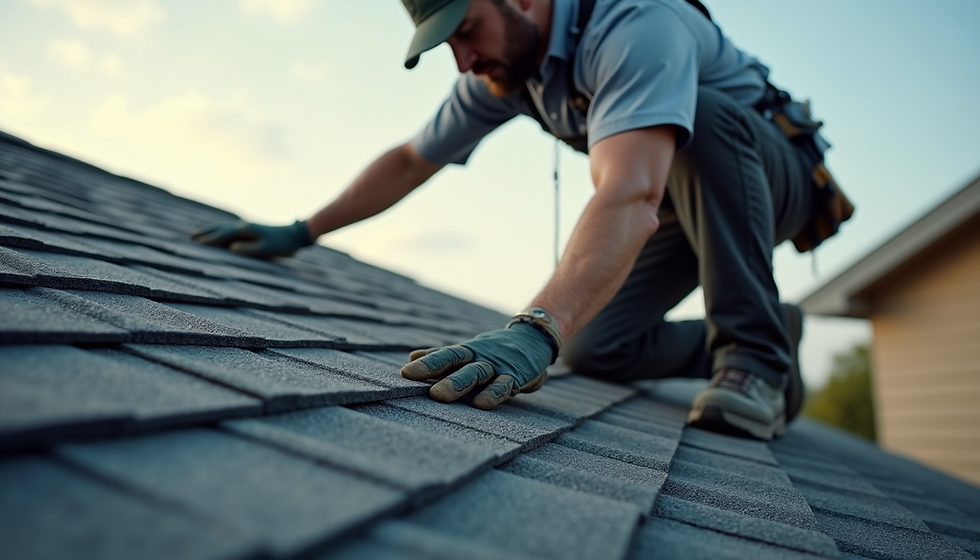
Safety: Roofing work can be dangerous. Experts have the right equipment and training to stay safe.
Quality Workmanship: A professional job lasts longer and looks better.
Warranty and Insurance: Reputable companies offer warranties and carry insurance to protect you.
Time and Convenience: Professionals finish the job faster and clean up afterward.
If you want peace of mind and a roof that stands the test of time, investing in professional roofing services is the way to go.

Taking Care of Your Roof After Installation
Once your new roof is installed, proper care will help it last longer. Here are some tips:
Regular Inspections: Check your roof at least twice a year and after storms.
Clean Gutters: Keep gutters clear to prevent water damage.
Trim Overhanging Branches: This prevents damage from falling limbs and reduces debris.
Remove Moss and Algae: These can damage shingles over time.
Fix Small Issues Quickly: Don’t ignore minor leaks or damaged shingles.
By staying on top of maintenance, you protect your investment and keep your home safe.
Choosing the right roofing option and caring for it properly can make a big difference in your home’s comfort and value. Whether you pick asphalt shingles, metal, or another material, make sure you work with trusted professionals who understand your needs. Your roof is a big investment - treat it well, and it will protect you for years to come.


Comments